Digital DIY guide
Last Battery
A downloadable educational guide to DIY home battery backup and energy storage.
Explore ProductA practical home checklist for power outages: critical loads, safe backup options, carbon monoxide safety and battery storage basics.
Outages are one of the main reasons people look at DIY energy guides. A good plan starts with priorities and safety, then adds equipment.
Write down what must keep working: phone charging, lighting, refrigeration, medical devices, internet. Note each device's wattage from its label.
For anything critical, rely on listed equipment: battery power stations, UPS units or properly installed generators. Experimental builds — including any project from Energy Revolution System — are for learning, not for life-safety loads.
Fuel-burning generators must run outdoors, far from doors, windows and vents. The CDC's Carbon Monoxide Poisoning Basics explains symptoms and prevention, including installing CO detectors.
Batteries need the correct charger, ventilation, fusing and secure mounting. Keep them away from heat and flammable materials.
More in the Backup Power Planning focus area.
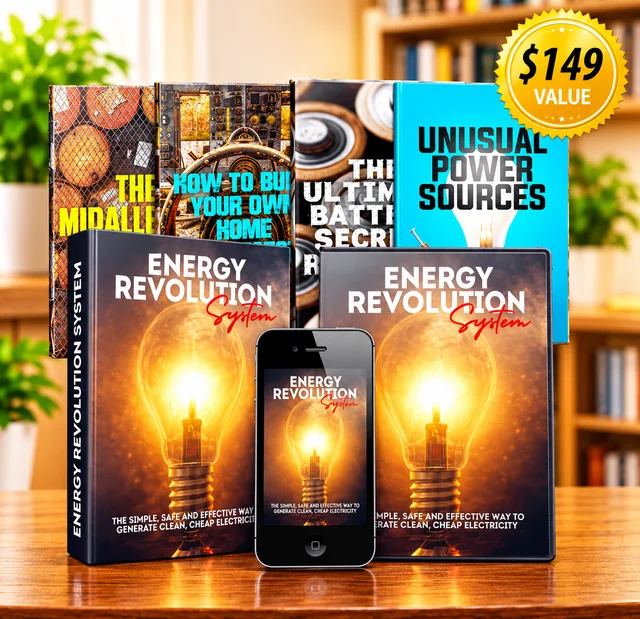
Energy Revolution System is a $39 digital blueprint covering a Tesla-inspired coil build, household energy measurement and safety guidance, with a 60-day ClickBank refund window.
See the OfferIndependent information sites we run for other digital programs and products. Each is a separate product with its own terms; we make no claim that they are designed to be used together.
A downloadable educational guide to DIY home battery backup and energy storage.
Explore Product
A plain-English primer on electromagnetic induction, coils and generators — the physics behind the Energy Revolution System blueprint.
Read article →
What Tesla's 1894 bifilar coil patent (US512340) actually describes, and what it does and doesn't imply for DIY energy projects today.
Read article →
Learn to read your electric bill, find your biggest loads and set an energy baseline before starting any home energy project.
Read article →