1
Order & download
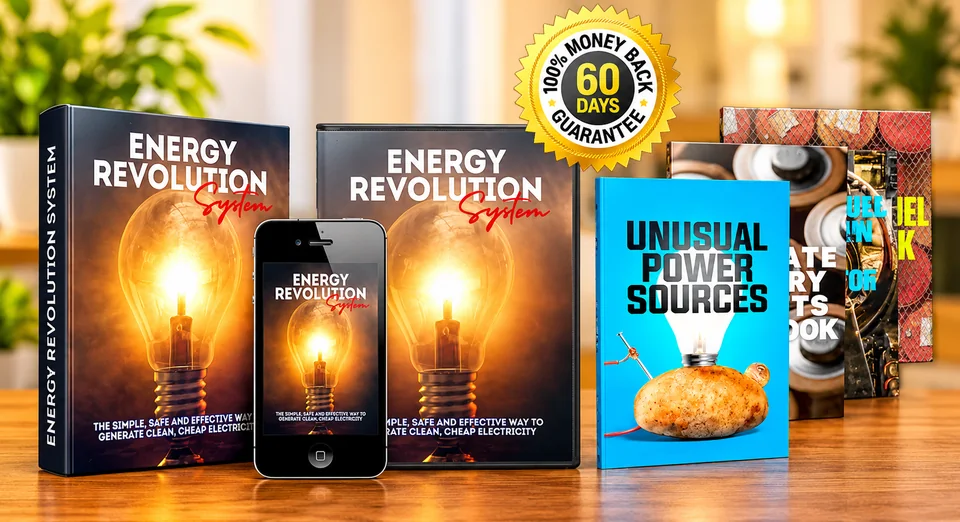
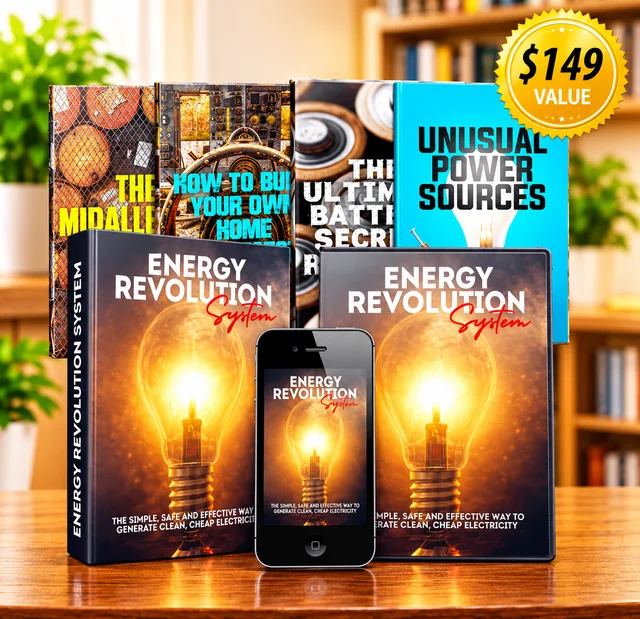
Complete checkout on ClickBank, then open the member area and download the manual, diagrams and bonus guides.
From checkout to your first measurement: how the digital program is delivered, what the blueprint teaches and how to use it safely.
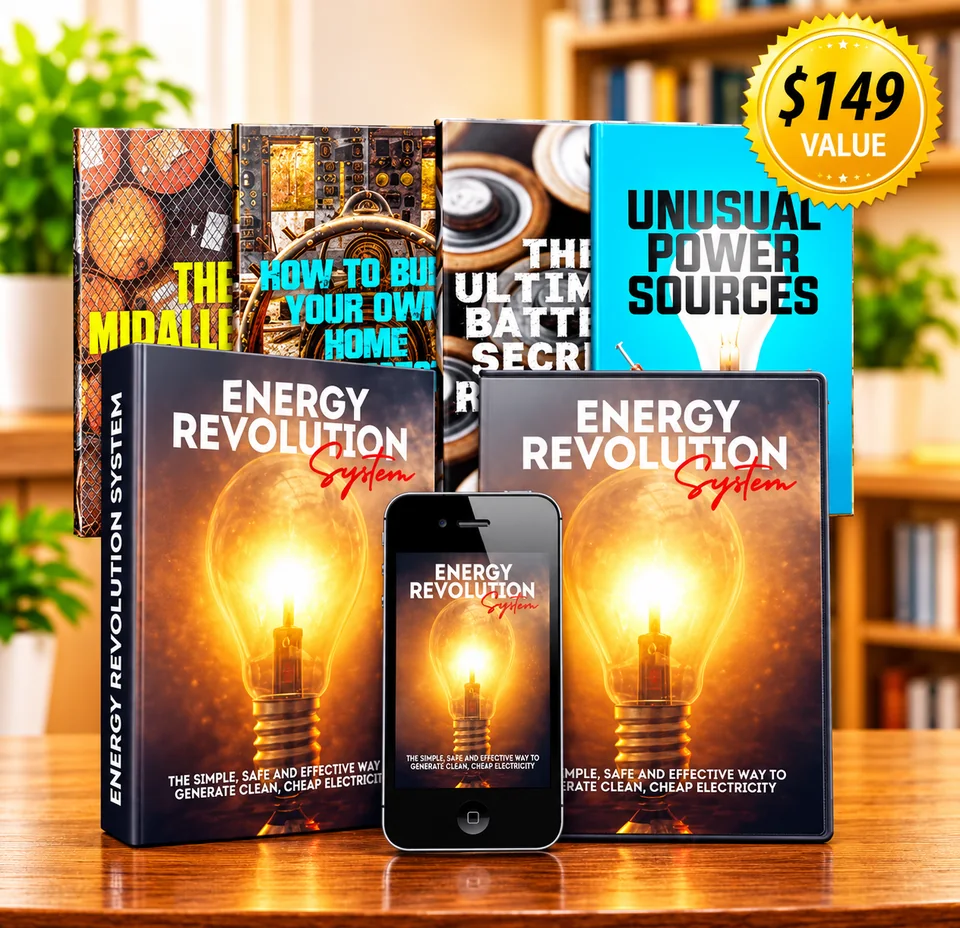
Complete checkout on ClickBank, then open the member area and download the manual, diagrams and bonus guides.
Read the safety chapter, measure your household baseline and gather the components on the parts list.
Assemble the project step by step on a safe, low-voltage bench and log your measurements as you go.
The blueprint is built around electromagnetic induction: when the magnetic field through a coil of wire changes, a voltage appears across the coil. Every power-station generator uses this effect, and the EIA's explainer on how electricity is generated walks through it.
Energy Revolution System's coil chapters draw on Tesla's bifilar winding — two conductors wound side by side — which changes a coil's electrical characteristics. What a coil cannot do is create energy: whatever comes out must be supplied from somewhere. That is why the guide's measurement steps matter, and why we explain the topic in depth on the Induction & Coil Principles focus page.
Energy Revolution System has no ingredients — it is a digital guide — so these references cover the topics it teaches: electricity, induction, household energy use and electrical safety. Explore government resources and published research related to the topics discussed on this website.
 U.S. Energy Information Administration (EIA)
Explains that electricity is a secondary energy source produced from primary sources such as natural gas, coal, nuclear, wind and solar — useful background before any home energy project.
View Official Research ↗U.S. Energy Information Administration (EIA)Describes how generators convert mechanical motion into electricity using magnetism and coils of wire — the same induction principle the blueprint's coil chapters discuss.
View Official Research ↗U.S. Energy Information Administration (EIA)Breaks down where electricity goes in U.S. homes, with space cooling, space heating and water heating among the largest end uses.
View Official Research ↗U.S. Energy Information Administration (EIA)Reports average annual and monthly residential electricity purchases, giving a realistic benchmark for measuring your own household's consumption.
View Official Research ↗U.S. Energy Information Administration (EIA)Explains what drives retail electricity prices — fuel, power plant and grid costs, weather and regulation — and why prices vary by location.
View Official Research ↗National Institute of Standards and Technology (NIST)NIST researchers explain why plug-in power factor correction devices do not lower a typical household bill — a reminder to measure any energy-saving claim.
View Official Research ↗U.S. EPA ENERGY STARLists ENERGY STAR certified product categories and links to rebate and tax-credit finders — proven ways to reduce household demand.
View Official Research ↗Occupational Safety and Health Administration (OSHA)Introduces electrical hazards and links to OSHA standards, hazard recognition and training resources relevant to anyone working with wiring.
View Official Research ↗Centers for Disease Control and Prevention (CDC)Describes CO poisoning risks and prevention, including keeping generators away from enclosed spaces — essential reading when planning any backup power.
View Official Research ↗Federal Trade Commission (FTC)Explains the yellow EnergyGuide labels that estimate an appliance's energy use, helping shoppers compare efficiency before buying.
View Official Research ↗These references are provided for educational purposes only. They do not represent an endorsement or approval of this product by any government agency. Research on general energy topics does not establish the effectiveness of the finished product or of any specific device built from it.
Get the complete Energy Revolution System blueprint, diagrams and parts guidance for a one-time $39, backed by a 60-day money-back guarantee through ClickBank.